When Los Angeles was awarded the 2028 Olympic Games, the original vision was incredibly ambitious. The city committed to hosting a largely car-free event, aiming to demonstrate how one of the most car-dependent metropolitan areas in the United States could leverage public transit to move millions of global visitors.
Today, that vision has evolved into a highly practical, transit-first strategy. It centers around strategic rail expansion, airport connectivity, localized mobility hubs, and the rapid electrification of public transportation networks.
What is frequently overlooked is that the upcoming Games are no longer just a logistical transportation milestone. They have actively transformed into a massive, unprecedented energy challenge that will test the regional power grid.
The Scaled Fleet Electrification Challenge
While multi-billion-dollar rail expansions naturally capture major media attention, one of the most substantial capital overhauls is quietly occurring within the Los Angeles Metro bus network. LA Metro has committed to a sweeping zero emission fleet transition, actively retrofitting and electrifying massive bus depots across the region ahead of the 2028 deadline.
Battery-electric buses are being deployed on active routes today, while high-power charging networks are expanding to support long-term fleet growth. The absolute scale of this logistical push is staggering. Metro estimates it may require approximately 2,700 additional buses during the peak of the Olympics to safely transport spectators between distributed venues, effectively doubling portions of its existing operational capacity.
While standard industry conversations focus primarily on purchasing zero-emission vehicles, the far more significant question centers on what occurs behind the scenes at the depot level.
Why Fleet Overhauls Demand Grid Modernization Infrastructure
Transitioning a metropolitan transit system away from diesel cannot happen in isolation. Replacing fossil fuels with commercial battery systems requires an absolute restructuring of the underlying utility environment, amplifying the localized need for robust grid modernization infrastructure.
Every electric transit vehicle requires specialized, high-capacity charging networks. In turn, every high-voltage charging station depends on a reliable source of continuous power, requiring each depot to possess sufficient grid capacity to support simultaneous charging across hundreds of buses.
As complex transit networks modernize, massive energy demands shift directly from traditional fuel distribution networks onto localized electrical infrastructure. This shifting paradigm creates a cascading set of strict technical requirements:
- Substantial increases in peak localized grid capacity.
- The deployment of new high-voltage transmission and distribution infrastructure.
- Extensive substation upgrades and utility transformer installations.
- Large-scale commercial energy storage deployment.
- The integration of intelligent, automated smart charging systems.
- Advanced load management technologies to mitigate peak grid stress.
When these capital-intensive needs are compressed into a fixed, immovable timeline leading up to a global event, the engineering complexity multiplies.
The Broader Questions Facing California’s Energy Goals
The realities of public transit electrification do not exist in a vacuum. At the exact same time Los Angeles is rushing to build out its zero-emission transit infrastructure, the state of California is simultaneously navigating several competing macroeconomic power demands:
- Exponential power demand growth driven by rapid data center construction.
- The accelerating electrification of commercial and residential buildings.
- Rising consumer electric vehicle adoption across the broader population.
- Massive, multi-phase airport modernization projects.
- Heavy industrial electrification initiatives across manufacturing corridors.
- Surging power requirements to support artificial intelligence computing clusters.
Each of these concurrent trends places severe structural pressure on the regional grid. Collectively, they raise a fundamental question for utility executives and policymakers: Can physical capital deployment successfully keep pace with aggressive, statewide transportation electrification goals?
Shifting Focus From Clean Generation to Delivery Capacity
For over a decade, clean technology discussions focused almost exclusively on expanding renewable generation resources. The next phase of the energy transition, however, will focus intensely on physical delivery capacity.
The primary challenge is no longer merely generating clean electricity. The true battle lies in reliably delivering sufficient electricity to the exact right places at the exact right times. Utilities must support transportation systems, industrial facilities, and expanding populations concurrently without compromising grid stability.
This systemic pressure explains why strategic conversations regarding grid modernization, transmission line expansion, utility-scale battery storage, and firm generation resources have accelerated so rapidly across the West Coast. The 2028 Olympics did not create these grid vulnerabilities; they simply made them impossible for stakeholders to ignore.
Navigating the Critical Infrastructure Workforce Shortage
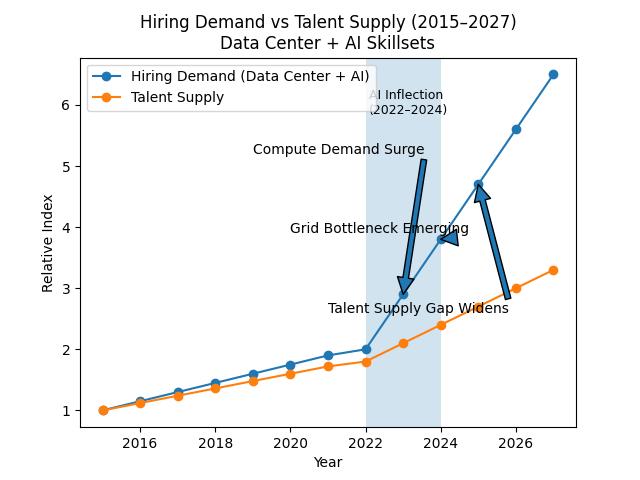
From a workforce perspective, the long-term implications of this transition are profound. Successfully delivering combined transportation and energy infrastructure at this velocity demands deep technical talent across an array of highly specialized disciplines.
As utilities and engineering firms race to meet these tight municipal project deadlines, the demand for qualified builders has triggered an intense wave of clean tech talent recruitment. The current market requires seasoned operators across several core functional domains:
- Power Systems Engineering: Specialists skilled in high-voltage network modeling and transient stability analysis.
- Transmission & Distribution: Engineers capable of designing resilient grid connections and optimizing physical lines.
- Grid Modernization & Energy Storage: Professionals experienced in integrating utility-scale battery systems and distributed energy resources.
- Utility Operations & Construction Management: Project executives qualified to lead massive capital infrastructure deployments under strict deadlines.
The intersection of zero-emission mobility and grid reliability is forging entirely new workforce demands. Because these cross-functional requirements stretch far beyond the weeks of the Olympic Games, forward-thinking organizations are scaling up their engineering pipelines today to prepare for a multi-decade transition.
The Permanent Legacy of the 2028 Games
The most impactful legacy of the 2028 Los Angeles Olympics will likely not be the athletic venues constructed, the medals awarded, or even the localized rail lines completed. Instead, it will be the permanent acceleration of an essential conversation regarding what it genuinely takes to electrify a modern, industrial economy at scale.
The electric buses wrapped in Olympic branding will be highly visible to the public. The street-level charging stations and new light rail cars will be equally apparent.
However, the hidden utility investments, the substation upgrades, the transmission expansions, the utility-scale battery deployments, and the highly skilled workforce powering them behind the scenes will remain largely invisible to the average spectator. Yet, these exact industrial investments are precisely what will matter most for regional resilience long after the closing ceremonies conclude.